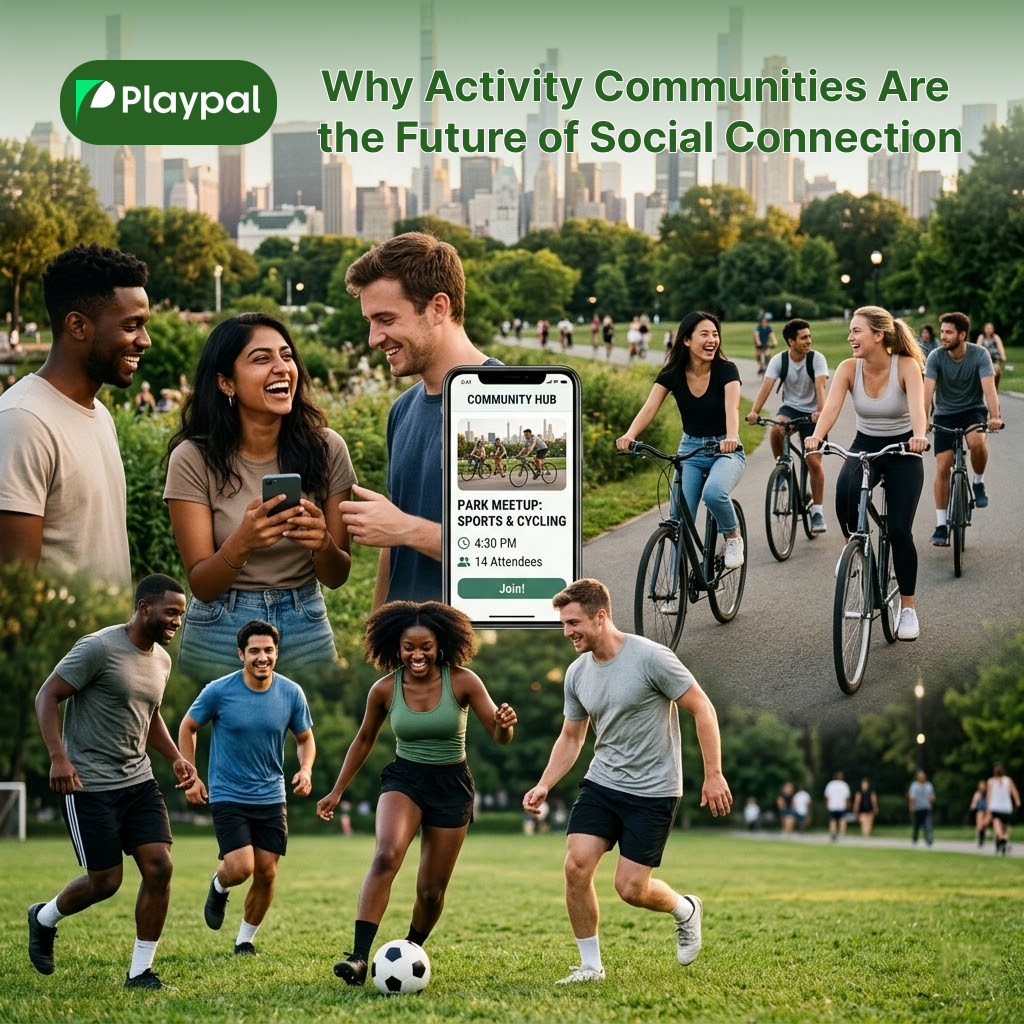


Modern life is more connected than ever before, yet many people feel socially disconnected. We spend hours on our phones, laptops, and social media platforms, but real-life interactions are becoming less frequent. While digital communication helps us stay informed and connected online, it often lacks the depth and authenticity that face-to-face experiences provide.
This growing gap between online communication and real human interaction is encouraging people to look for new ways to build meaningful relationships. One of the most powerful solutions is activity-based communities—platforms where people meet through sports, hobbies, and social experiences rather than just messages or virtual meetings.
Platforms such as Play-Pal are helping lead this shift by creating spaces where people can discover activities, meet new individuals, and build real connections through shared experiences.
The Problem With Digital-Only Connections
Technology has made communication incredibly convenient. We can message someone instantly, join virtual meetings, and interact with people from around the world. However, convenience does not always lead to deeper relationships.
Many professionals and young adults today report feeling isolated despite having hundreds of online connections. Social media interactions often stay on the surface level, and traditional networking platforms usually focus only on professional achievements rather than personal interests.
As a result, people are beginning to search for environments where conversations happen naturally and relationships grow organically.
Why Activities Create Natural Social Bonds
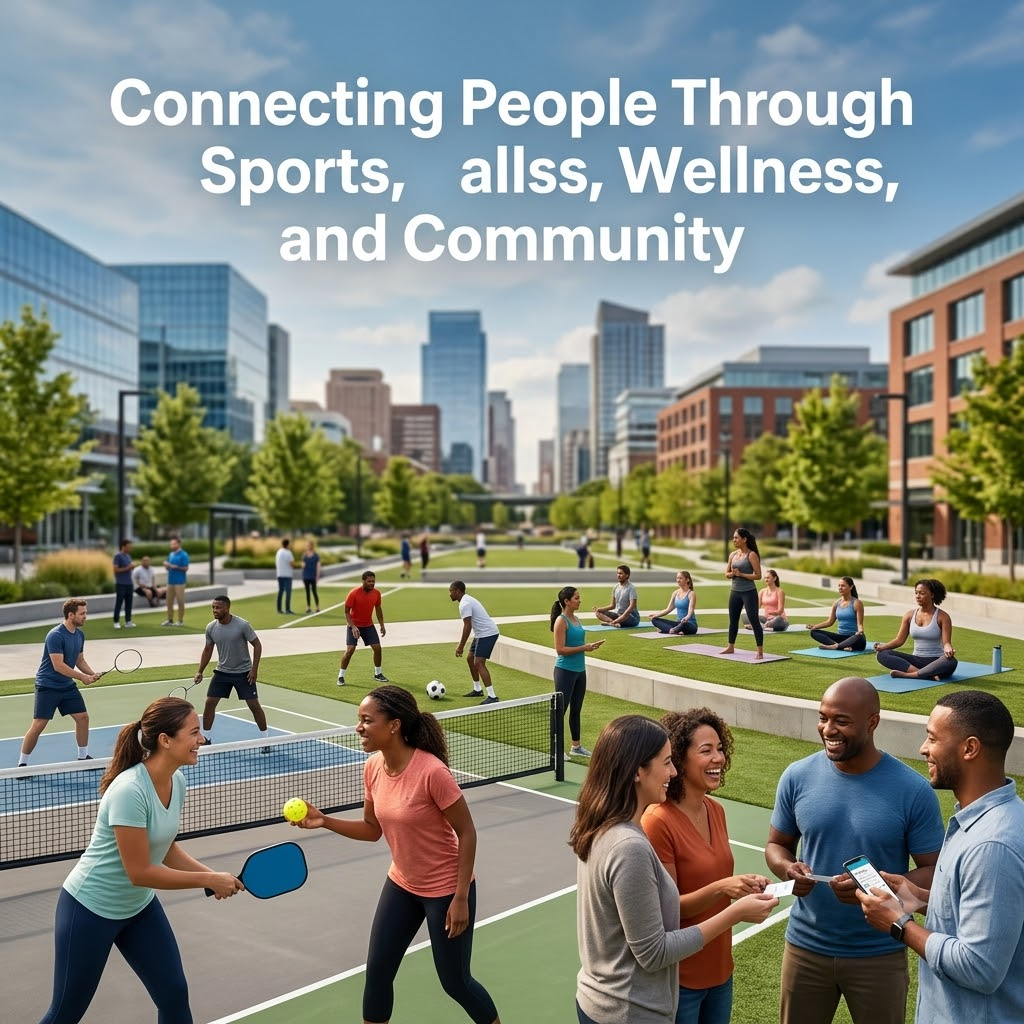
Shared experiences have always been one of the strongest foundations for human connection. When people participate in activities together—whether it’s a sports game, fitness class, or creative workshop—they automatically develop a sense of teamwork and shared purpose.
For example, playing a friendly match of football or joining a group cycling session encourages communication, laughter, and collaboration. These moments create stronger emotional connections than simply exchanging messages online.
Activities also break down social barriers. When people are focused on enjoying an activity, they tend to be more relaxed and open to conversations. This natural environment makes it easier to meet new people and build genuine friendships.
The Growing Popularity of Social Activity Platforms
Over the past few years, there has been a noticeable shift toward community-driven platforms that promote active lifestyles and social engagement. These platforms allow users to discover events, join local groups, and participate in activities that match their interests.
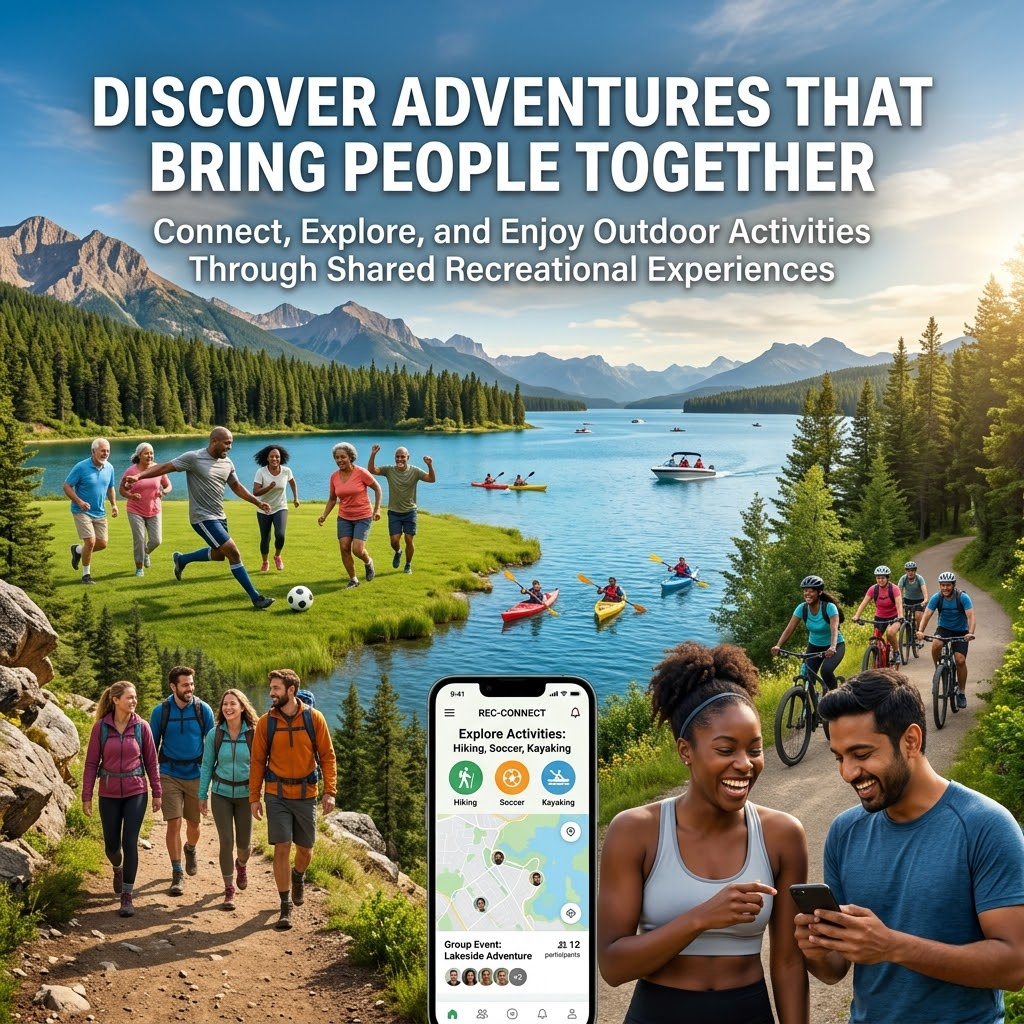
Instead of spending weekends scrolling through social feeds, many individuals now prefer joining sports leagues, outdoor adventures, or group fitness sessions.
This trend reflects a broader lifestyle change. People are becoming more conscious about their physical health, mental well-being, and the quality of their relationships. Activity platforms provide a way to improve all three at the same time.
How Activity Communities Support Personal Growth
Activity-based communities offer more than just entertainment. They provide opportunities for personal development, social learning, and professional networking.
1. Confidence Building
Participating in group activities encourages individuals to step outside their comfort zones. Meeting new people and trying new experiences helps build confidence over time.
2. Healthy Lifestyle Habits
When activities become part of a social routine, staying active feels less like a chore and more like a fun experience shared with others.
3. Skill Development
From leadership and teamwork to communication and strategy, many valuable life skills naturally develop during group activities and sports.
4. Expanded Opportunities
Casual conversations during activities often lead to unexpected opportunities. Many collaborations, friendships, and business ideas start in relaxed social settings rather than formal meetings.
Creating Communities That Feel Inclusive
One of the most important aspects of modern activity platforms is inclusivity. People from different professions, backgrounds, and skill levels can participate in the same activities without feeling pressure or competition.
Beginners can join simply to have fun, while experienced participants can enjoy improving their skills. This inclusive atmosphere makes it easier for people to feel comfortable and welcomed within the community.
Platforms like Play-Pal are designed to bring together individuals who share similar interests, helping them discover events, join groups, and build friendships in a relaxed environment.
The Future of Social Interaction
As work culture becomes increasingly digital and remote, real-world interaction is becoming more valuable than ever. People want experiences that allow them to step away from screens and connect with others in meaningful ways.
Activity-based communities represent the future of social interaction. They combine the convenience of digital discovery with the authenticity of in-person experiences.
Instead of replacing technology, these platforms use it as a bridge to bring people together in real life.
Final Thoughts
Human connections are built through shared experiences, laughter, teamwork, and moments that cannot be replicated through a screen. While digital communication will always remain an important part of modern life, people are increasingly recognizing the value of real-world interaction.
Activity communities are transforming how friendships, professional relationships, and social networks are formed. By combining sports, hobbies, and community engagement, platforms like Play-Pal are helping people move beyond digital conversations and rediscover the joy of connecting in person.
In a world full of screens, sometimes the best connections are made on the field, in the gym, or during a simple shared activity with new friends.


Leave a reply